

In the realm of elevator design, the choice of materials for elevator buttons is a crucial aspect that combines functionality, aesthetics, and durability. One question that often arises is whether the buttons on elevators are made of glass in some designs. As a supplier of Button On Elevator, I have witnessed firsthand the diverse range of materials used in elevator button manufacturing, including glass.
The Use of Glass in Elevator Button Design
Glass has become an increasingly popular choice for elevator buttons in modern designs. Its sleek and sophisticated appearance can enhance the overall aesthetic of an elevator cab, making it a desirable option for high - end buildings, luxury hotels, and commercial spaces. The transparency of glass allows for creative lighting effects, such as backlighting, which can make the buttons more visible and add a touch of elegance to the elevator interior.
From a functional perspective, glass buttons can offer several advantages. They are generally easy to clean and maintain, as glass is resistant to stains and can be wiped down with a simple cleaning solution. This is particularly important in public elevators where hygiene is a concern. Additionally, glass is a durable material that can withstand regular use and is less likely to show signs of wear and tear compared to some other materials.
Types of Glass Used
There are different types of glass that can be used for elevator buttons. Tempered glass is a common choice due to its strength and safety features. Tempered glass is heat - treated to make it more resistant to breakage. In the event that it does break, it shatters into small, relatively harmless pieces rather than large, sharp shards, reducing the risk of injury.
Another option is laminated glass, which consists of two or more layers of glass bonded together with a plastic interlayer. Laminated glass offers excellent security and sound insulation properties. It is also more resistant to impact and can provide an added layer of protection in case of vandalism or accidental damage.
Design Considerations
When using glass for elevator buttons, designers need to take several factors into account. One of the main challenges is ensuring that the buttons are easy to operate. Glass can be slippery, so a textured surface or a special coating may be applied to improve grip. The size and shape of the buttons also need to be carefully considered to ensure that they are comfortable to press and can be easily identified by users.
In addition, the electrical components of the buttons need to be integrated seamlessly with the glass. This requires careful engineering to ensure that the buttons function properly and that there are no issues with electrical conductivity or interference.
Market Trends
The demand for glass elevator buttons is on the rise as more building owners and designers seek to create unique and modern elevator experiences. The trend towards smart buildings has also influenced the design of elevator buttons. Glass buttons can be easily integrated with touch - screen technology, allowing for more intuitive and interactive user interfaces. For example, users can swipe, tap, or even use gestures to operate the elevator, enhancing the overall user experience.
Comparison with Other Materials
While glass has many advantages, it is not the only material used for elevator buttons. Other common materials include plastic, metal, and rubber. Plastic buttons are often more affordable and come in a wide range of colors and shapes. They are also lightweight and easy to manufacture. However, they may not have the same level of durability and aesthetic appeal as glass.
Metal buttons, such as stainless steel or aluminum, are known for their durability and strength. They can withstand heavy use and are resistant to corrosion. Metal buttons can also give an elevator a more industrial or contemporary look. However, they may be more expensive than plastic and may not offer the same level of design flexibility as glass.
Rubber buttons are soft and comfortable to press, making them a popular choice for elevators in healthcare facilities or buildings where accessibility is a priority. They are also resistant to moisture and can be easily cleaned. However, rubber may wear out over time and may not have the same high - end appearance as glass or metal.
Our Role as a Supplier
As a Button On Elevator supplier, we understand the importance of providing high - quality products that meet the diverse needs of our customers. We offer a wide range of elevator buttons, including those made of glass, plastic, metal, and rubber. Our team of experts works closely with designers and architects to ensure that the buttons are not only functional but also aesthetically pleasing.
We source our materials from trusted suppliers and use state - of - the - art manufacturing processes to ensure the highest level of quality and reliability. Our glass buttons are carefully crafted to meet the strictest safety and performance standards. We also offer customization services, allowing our customers to choose the size, shape, color, and lighting options that best suit their elevator design.
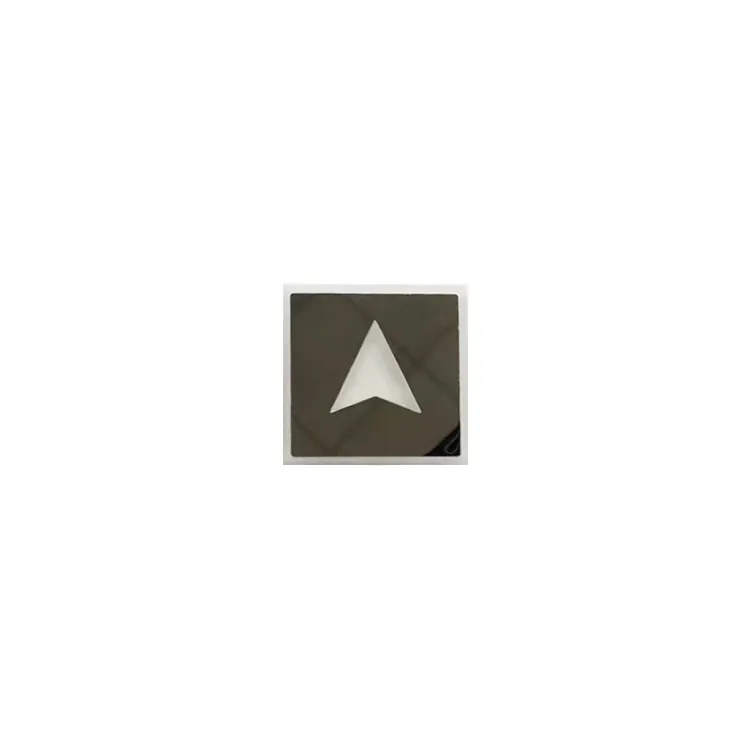

Why Choose Our Glass Elevator Buttons
Our glass elevator buttons are designed with the latest technology and innovation in mind. We use advanced touch - sensing technology to ensure that the buttons respond quickly and accurately to user input. Our backlighting systems are energy - efficient and can be customized to create a variety of lighting effects, from soft and subtle to bright and eye - catching.
In addition, our glass buttons are tested rigorously to ensure their durability and reliability. We subject them to a series of tests, including impact tests, temperature tests, and humidity tests, to ensure that they can withstand the harsh conditions of elevator use.
Contact Us for Procurement
If you are in the market for high - quality elevator buttons, whether they are made of glass or other materials, we invite you to contact us for procurement. Our team of sales representatives is ready to assist you with your needs. We can provide you with detailed product information, samples, and pricing. We also offer competitive pricing and excellent customer service to ensure that your procurement process is smooth and hassle - free.
Whether you are an architect, a building owner, or an elevator installer, we can work with you to find the perfect Elevator Push Button solution for your project. Contact us today to start the conversation and take the first step towards enhancing the functionality and aesthetics of your elevators.
References
- "Elevator Design Handbook", John Wiley & Sons
- "Materials Science for Engineers", Pearson Education
- Industry reports from leading elevator component manufacturers.