

Can a cop use the elevator's ventilation shaft to track a lop? This is an intriguing question that combines elements of practical elevator functionality and a somewhat imaginative scenario. As a supplier of elevator components, including Elevator Lop Cop and Cop and Lop In Lift, I have a unique perspective on this topic.
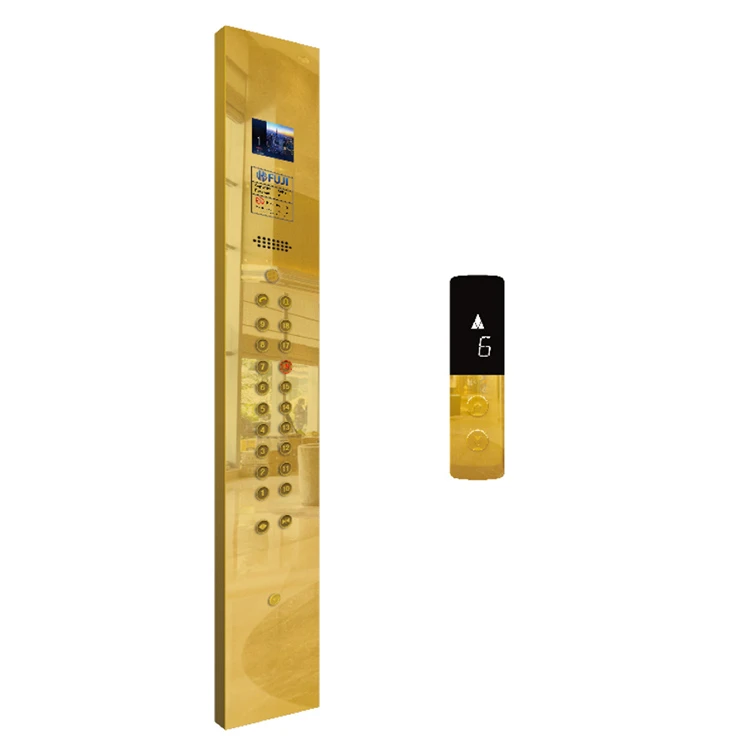
First, let's understand what a cop and a lop are in the context of an elevator. A Cop, or Control Operating Panel, is the interface inside the elevator car that passengers use to select their desired floors and control certain functions of the elevator. It typically includes buttons for floor selection, door open/close buttons, and sometimes emergency communication devices. On the other hand, a Lop, or Landing Operating Panel, is located on each floor outside the elevator shaft. It allows passengers waiting on the floors to call the elevator by indicating whether they want to go up or down.
Now, back to the question of whether a cop can use the elevator's ventilation shaft to track a lop. From a technical and practical point of view, it's highly unlikely. The ventilation shaft in an elevator is primarily designed for air circulation to ensure a safe and comfortable environment inside the elevator car and the shaft. It is not intended as a means of access for tracking or any other non - ventilation purposes.
The ventilation shaft is usually a narrow and confined space. It is equipped with ventilation ducts, fans, and other equipment that are essential for maintaining proper air quality. There is very limited room for a person to move through it. Even if someone were to attempt to use the ventilation shaft, they would face numerous obstacles. The ventilation ducts may be too small to accommodate a person, and the fans could pose a significant safety hazard.
Moreover, tracking a lop through the ventilation shaft doesn't make practical sense. The Lop is a static device installed on each floor outside the elevator shaft. It doesn't move, and there is no need to "track" it in the traditional sense. The Cop, being inside the elevator car, is designed to communicate with the Lop through electrical and electronic systems. These systems are well - established and reliable, and they operate through wiring and control circuits, not through physical tracking in the ventilation shaft.
In the elevator industry, the communication between the Cop and the Lop is a crucial aspect of elevator operation. The Cop sends signals to the elevator control system based on the floor selections made by passengers. The control system then coordinates with the Lops on each floor to determine the elevator's movement. This process is based on a complex algorithm that takes into account factors such as the current position of the elevator, the number of passengers, and the direction of travel.
As a supplier of Elevator Lop Cop and Cop and Lop In Lift, we understand the importance of these components in ensuring the smooth and safe operation of elevators. Our products are designed to meet the highest standards of quality and reliability. The Elevator Lop Cop we offer is equipped with advanced technology that allows for seamless communication between the elevator car and the floors. It is easy to install and maintain, which makes it a popular choice among elevator installers and maintenance providers.
The Cop and Lop In Lift is another essential product in our portfolio. It provides a complete solution for elevator control and operation at both the car and floor levels. Our products are tested rigorously to ensure that they can withstand the harsh conditions of elevator operation, including temperature variations, vibration, and electrical interference.

In addition to the technical aspects, safety is a top priority in the elevator industry. Any attempt to use the ventilation shaft for non - ventilation purposes would violate safety regulations. Elevator safety codes are in place to protect the well - being of passengers, maintenance workers, and anyone associated with elevator operation. Using the ventilation shaft as a means of access or tracking could lead to serious accidents, including falls, electrocution, and equipment damage.
The modern elevator systems are designed with multiple layers of safety features. These features are built into the Cop, Lop, and other components to prevent malfunctions and ensure safe operation. For example, the Cop has emergency stop buttons and communication devices that allow passengers to contact the elevator management in case of an emergency. The Lop also has safety features such as illuminated indicators and audible signals to alert passengers.
As an elevator component supplier, we are committed to providing products that not only meet but exceed safety standards. Our research and development team is constantly working on improving our products to enhance safety and performance. We use the latest materials and manufacturing techniques to ensure that our Elevator Lop Cop and Cop and Lop In Lift are of the highest quality.
In conclusion, the idea of a cop using the elevator's ventilation shaft to track a lop is more of a fictional concept than a practical possibility. The ventilation shaft is designed for ventilation purposes, and the communication between the Cop and the Lop is based on established electrical and electronic systems. As a supplier of elevator components, we focus on providing high - quality products that ensure the safe and efficient operation of elevators.
If you are in the market for elevator components such as Elevator Lop Cop or Cop and Lop In Lift, we invite you to contact us for more information. Our team of experts is ready to assist you with your procurement needs and provide you with the best solutions for your elevator projects. Whether you are an elevator installer, a building owner, or a maintenance provider, we can offer you the products and support you need.
References
- Elevator Industry Standards and Safety Codes
- Technical Documentation of Elevator Components
- Research on Elevator Communication Systems