

Hey there! I'm a supplier of escalator handrails, and today I wanna have a chat about whether an escalator handrail can be made of composite materials.
First off, let's get a bit of background. Escalator handrails are super important. They're what passengers hold onto as they move up or down on the escalator, providing stability and safety. Traditionally, escalator handrails have been made from materials like rubber and PVC. These materials have served us well over the years. They're flexible, durable to some extent, and can withstand a fair amount of wear and tear. But they also have their limitations.
Now, composite materials are a different ballgame. Composite materials are made by combining two or more different substances with different physical or chemical properties. The result is a material that has better overall performance than the individual components. For example, carbon - fiber composites are known for their high strength - to - weight ratio. They're used in things like aerospace and high - performance sports equipment.
So, can we use composite materials for escalator handrails? Well, there are a few factors to consider.
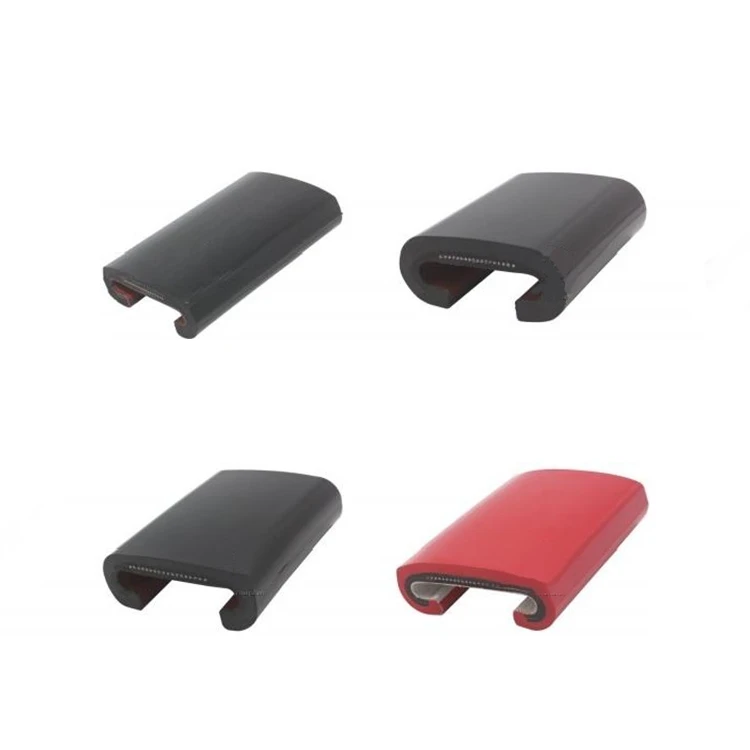
Advantages of Using Composite Materials
One of the big advantages is durability. Composite materials can be engineered to be extremely strong and resistant to abrasion. In a busy shopping mall or a subway station, escalators are used constantly. The handrails take a beating from people's hands, dirt, and debris. A composite handrail could potentially last much longer than a traditional rubber or PVC one. This would mean less frequent replacements, which is great for building owners and operators as it saves on maintenance costs.
Another advantage is weight. Composite materials can be lighter than traditional handrail materials. This might not seem like a big deal at first, but lighter handrails put less stress on the escalator's drive system. The motor doesn't have to work as hard to move the handrail, which can lead to energy savings over time. And let's face it, in today's world, anything that helps save energy is a plus.
Composite materials also offer more design flexibility. You can customize the properties of the composite to meet specific requirements. For example, if you need a handrail that's more resistant to fire, you can add fire - retardant additives to the composite. Or if you want a handrail with a certain texture for better grip, that can be achieved too.
Challenges of Using Composite Materials
However, it's not all sunshine and rainbows. There are some challenges when it comes to using composite materials for escalator handrails.
One major challenge is cost. Composite materials can be more expensive to produce than traditional materials. The manufacturing process for composites often involves specialized equipment and techniques. This means that the initial investment for producing composite handrails could be quite high. Building owners and operators might be hesitant to pay a premium for a new type of handrail, especially if they're used to the relatively low - cost options available currently.
Another challenge is compatibility. Escalators are complex machines, and the handrail needs to work in harmony with the rest of the system. Composite materials might have different friction coefficients compared to traditional materials. This could affect how the handrail moves along the guide rails and interacts with the drive system. Engineers would need to do a lot of testing to ensure that the composite handrail works properly with the existing escalator components.
There's also the issue of public perception. People are used to the feel of rubber or PVC handrails. A composite handrail might have a different texture or feel, which could make some passengers uncomfortable. Building owners and operators would need to educate the public about the benefits of the new material to overcome any initial resistance.
Our Experience as a Supplier
As a supplier, we've been looking into the possibility of producing composite escalator handrails. We've done some research and conducted a few small - scale tests. So far, the results have been promising. The composite handrails we've made have shown good durability and strength. We've also been able to adjust the properties of the composite to achieve a similar feel to traditional handrails, which is important for public acceptance.
We understand that making the switch to composite handrails is a big decision for our customers. That's why we're willing to work closely with building owners, operators, and engineers. We can provide samples for testing and offer technical support throughout the process.
If you're interested in learning more about our escalator handrails, whether they're traditional or composite, you can check out our Escalator Hand Rail page. There, you'll find more information about our products, including specifications and pricing.
We believe that composite materials have the potential to revolutionize the escalator handrail industry. While there are challenges to overcome, the benefits are too significant to ignore. If you're in the market for new escalator handrails, we encourage you to consider the possibilities that composite materials offer.
If you have any questions or want to discuss a potential purchase, don't hesitate to reach out to us. We're here to help you make the best decision for your escalator needs. Whether it's about cost, performance, or design, we can work with you to find the perfect solution. Let's start a conversation and see if composite escalator handrails are the right fit for you.
References
- "Materials Science and Engineering: An Introduction" by William D. Callister Jr. and David G. Rethwisch
- Industry reports on escalator components and materials