

When it comes to maintaining escalators, one of the common issues that facility managers and maintenance crews often encounter is a damaged escalator handrail. As an escalator handrail supplier, I understand the importance of a smooth - functioning handrail for both the safety and user experience of escalator riders. In this blog, I'll walk you through the step - by - step process of replacing a damaged section of an escalator handrail.
Step 1: Safety First
Before starting any work on the escalator, safety should be the top priority. First, make sure the escalator is completely shut down. This can usually be done by turning off the power at the main electrical panel dedicated to the escalator. Place clear warning signs around the escalator to prevent anyone from accidentally trying to use it during the repair process. Wear appropriate personal protective equipment (PPE), including safety glasses, gloves, and steel - toed boots.
Step 2: Inspect the Damage
Once the escalator is safely shut down, conduct a thorough inspection of the damaged handrail section. Determine the exact location and extent of the damage. Look for signs such as cuts, tears, abrasions, or excessive wear. It's important to identify if the damage is limited to a small section or if it affects a larger area of the handrail. This inspection will help you decide whether a simple repair or a complete section replacement is necessary.
Step 3: Gather the Necessary Tools and Materials
As an escalator handrail supplier, I can provide you with the high - quality handrail sections you need. In addition to the new handrail section, you'll need a set of tools. These typically include a utility knife, a handrail removal tool (which is specifically designed to detach the handrail from the escalator's guiding system), a measuring tape, and a set of wrenches. Make sure all tools are in good working condition before you start the replacement process.
Step 4: Remove the Damaged Handrail Section
Using the handrail removal tool, carefully detach the damaged section of the handrail from the escalator's guiding system. Start at one end of the damaged area and work your way along. Be gentle to avoid causing any additional damage to the surrounding components. Once the damaged section is removed, measure its length accurately. This measurement is crucial as it will ensure that the new handrail section fits perfectly.
Step 5: Prepare the New Handrail Section
As an escalator handrail supplier, I offer a wide range of handrail options to meet different escalator models and requirements. Take the new handrail section and cut it to the exact length measured from the removed damaged section. Use a sharp utility knife to make a clean cut. Make sure the edges are smooth and free of any burrs.
Step 6: Install the New Handrail Section
Begin by inserting one end of the new handrail section into the guiding system at the starting point of the removed section. Slowly feed the handrail through the guiding system, making sure it aligns properly. Use the wrenches to secure any fasteners or clamps that hold the handrail in place. As you progress, check for any signs of misalignment or resistance. If you encounter any issues, stop and adjust the handrail accordingly.
Step 7: Test the Handrail
Once the new handrail section is installed, it's time to test its functionality. Turn on the escalator (after ensuring all safety protocols are followed) and let it run for a few cycles. Observe the handrail as it moves along the escalator. Check for any abnormal noises, vibrations, or signs of improper movement. If everything looks and feels normal, the handrail replacement was successful.
Step 8: Final Checks and Maintenance
After the test run, conduct a final inspection of the handrail and the escalator. Check for any loose fasteners, and make sure the handrail is securely in place. Clean the handrail to remove any debris or marks left from the installation process. It's also a good idea to perform regular maintenance on the handrail to prevent future damage. This can include cleaning, lubrication, and periodic inspections.
Why Choose Our Escalator Handrails
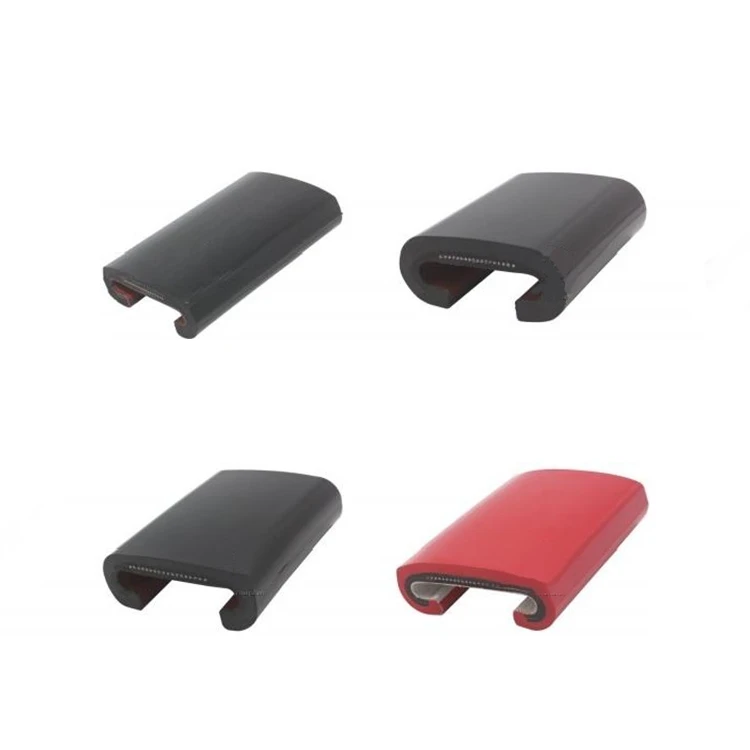
As an escalator handrail supplier, we take pride in offering high - quality handrails that are designed to meet the strictest safety and performance standards. Our handrails are made from durable materials that can withstand heavy use and harsh environmental conditions. We also provide a wide range of colors and styles to match the aesthetic requirements of different escalator installations.
If you are in need of an escalator handrail replacement or have any questions about our products, we encourage you to visit our website Escalator Hand Rail. Here, you can find detailed information about our handrail products, including specifications, pricing, and ordering options.
We understand that every escalator installation is unique, and we are committed to providing personalized solutions to meet your specific needs. Whether you are a facility manager, an escalator maintenance company, or a contractor, we are here to assist you. Contact us today to discuss your requirements and let us help you keep your escalators running smoothly and safely.
References
- Elevator and Escalator Safety Handbook. American Society of Mechanical Engineers (ASME).
- Escalator Maintenance Manuals from leading escalator manufacturers.