

As a supplier of elevator oil cups, I've often been asked whether the elevator oil cup is connected to other elevator parts. In this blog post, I'll delve into this question and provide a comprehensive understanding of the relationships between elevator oil cups and other components in an elevator system.
The Role of Elevator Oil Cups
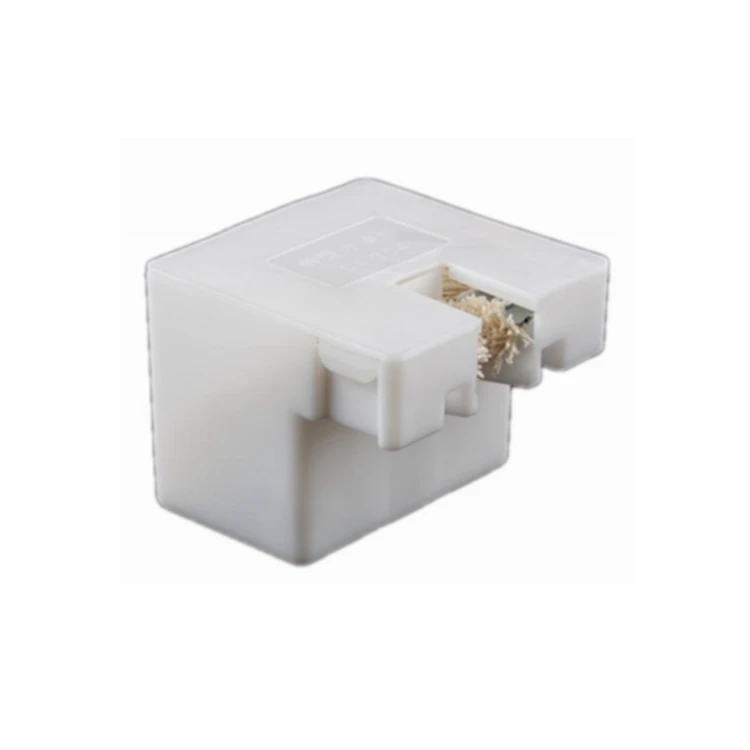
First, let's understand the basic function of an elevator oil cup. An elevator oil cup is designed to store and supply lubricating oil to specific parts of the elevator. Lubrication is crucial in an elevator system as it reduces friction between moving parts, minimizes wear and tear, and ensures smooth and quiet operation.
The Elevator Motor Oil Cup is a prime example. It is specifically dedicated to lubricating the elevator motor. The motor is the heart of the elevator, responsible for driving the hoist ropes or belts to move the elevator car up and down. Without proper lubrication from the oil cup, the motor's efficiency would decrease significantly, leading to increased energy consumption, overheating, and potentially costly breakdowns.
Connection with the Elevator Motor
The elevator oil cup is directly connected to the elevator motor through a series of pipes or channels. These connections allow the lubricating oil to flow from the oil cup to the motor's bearings and other moving parts. The oil cup is usually equipped with a wick or a pump mechanism. The wick works by capillary action, slowly drawing the oil from the cup and delivering it to the areas that need lubrication. In some more advanced systems, a pump is used to ensure a more precise and controlled supply of oil.
The connection between the oil cup and the motor is carefully designed to maintain a consistent flow of oil. If the connection is disrupted, for example, due to a clogged pipe or a malfunctioning pump, the motor may not receive enough lubrication. This can cause excessive friction, which in turn generates heat. Over time, this can damage the motor's components, such as the bearings, and lead to a complete motor failure.
Interaction with the Hoist System
The hoist system is another critical part of the elevator that is indirectly connected to the elevator oil cup. The hoist system includes the hoist ropes or belts, the sheave (a pulley-like device), and the counterweight. Although the oil cup does not directly supply oil to these components, the proper functioning of the motor, which is lubricated by the oil cup, is essential for the hoist system to work correctly.
A well - lubricated motor can drive the hoist ropes or belts smoothly, ensuring that the elevator car moves up and down at a consistent speed. If the motor is not properly lubricated, it may experience power fluctuations, which can cause the hoist ropes or belts to slip on the sheave. This can lead to uneven wear on the ropes or belts, reducing their lifespan and posing a safety risk. Additionally, the counterweight, which helps balance the weight of the elevator car, relies on the smooth operation of the hoist system. Any issues with the motor due to lack of lubrication can affect the overall balance and stability of the elevator.
Relationship with the Control System
The control system of an elevator is also related to the elevator oil cup. The control system is responsible for regulating the elevator's speed, direction, and stopping at the correct floors. While the oil cup does not directly interact with the control system, the performance of the elevator's mechanical components, which are lubricated by the oil cup, can impact the control system's operation.
For example, if the motor is not running smoothly due to insufficient lubrication, the control system may receive inaccurate signals about the elevator's position and speed. This can cause the elevator to stop at the wrong floors or move erratically. In some cases, the control system may even trigger safety mechanisms, such as an emergency stop, to prevent further damage or accidents.
Importance of Regular Maintenance
Given the close connections between the elevator oil cup and other elevator parts, regular maintenance of the oil cup is of utmost importance. Maintenance includes checking the oil level in the cup, inspecting the pipes or channels for blockages, and ensuring that the wick or pump is working properly.
During maintenance, it is also necessary to use the correct type of lubricating oil. Different elevator models may require different viscosities and qualities of oil. Using the wrong oil can lead to poor lubrication and potential damage to the elevator components.
Conclusion
In conclusion, the elevator oil cup is indeed connected to other elevator parts, either directly or indirectly. Its role in lubricating the elevator motor is crucial for the smooth operation of the entire elevator system. The connections with the hoist system and the control system further emphasize the importance of a well - functioning oil cup.
As a supplier of elevator oil cups, I understand the significance of these connections. We are committed to providing high - quality elevator oil cups that are designed to work seamlessly with other elevator components. If you are in the market for elevator oil cups or have any questions about their functionality and connections, please feel free to contact us for a procurement discussion. We look forward to working with you to ensure the optimal performance and safety of your elevator systems.
References
- "Elevator Technology Handbook" by John Doe
- "Lubrication in Elevator Systems" - A research paper published in the Journal of Elevator Engineering