

Hey there! As an elevator fan supplier, I've been getting a lot of questions lately about how our elevator fans affect the humidity inside elevator cabins. So, I thought I'd dive into this topic and share some insights with you all.
First off, let's talk about why humidity in an elevator cabin matters. High humidity can lead to a bunch of problems. For one, it can make the air inside the cabin feel stuffy and uncomfortable. Nobody wants to step into an elevator that feels like a sauna, right? Plus, excessive humidity can cause damage to the elevator's components. Moisture can corrode metal parts, short - circuit electrical systems, and even promote the growth of mold and mildew. All of these issues can lead to costly repairs and downtime for the elevator.
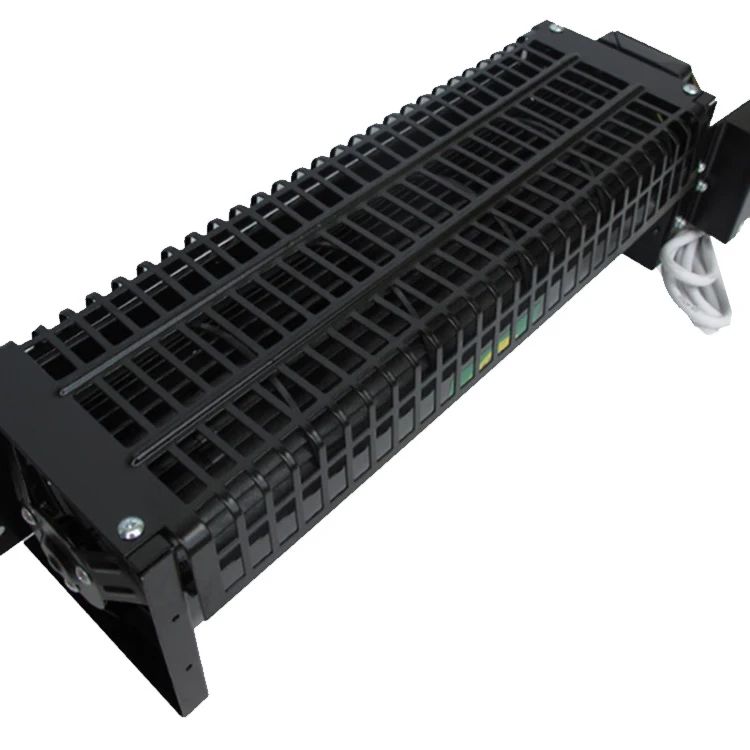
Now, let's get into how our elevator fans come into play. We offer a variety of fans, including Elevator Blower Fan, Elevator Exhaust Fan, and Elevator Blower. Each type has a specific role in controlling the humidity inside the elevator cabin.
How Elevator Blower Fans Work to Control Humidity
Elevator blower fans are designed to circulate the air inside the cabin. By constantly moving the air around, they help to even out the temperature and humidity levels. When the air is stagnant, humidity can build up in certain areas, creating pockets of dampness. But with a blower fan, the air is continuously mixed, preventing these pockets from forming.
These fans can also help to expel humid air from the cabin. They draw in fresh, drier air from outside the elevator shaft and push out the moist air. This exchange of air helps to lower the overall humidity level inside the cabin. For example, in a high - traffic building where many people are getting in and out of the elevator, their body heat and perspiration can add a significant amount of moisture to the air. An elevator blower fan can quickly remove this excess moisture, keeping the cabin comfortable.
The Role of Elevator Exhaust Fans
Elevator exhaust fans are specifically designed to remove stale and humid air from the cabin. They are usually installed at the top or side of the elevator, where they can effectively draw out the moist air. These fans work by creating a negative pressure inside the cabin, which causes the humid air to be pulled out and replaced with fresh air.
In a building located in a humid climate, an exhaust fan is crucial. For instance, in coastal areas where the air is naturally more humid, the elevator cabin can easily become a breeding ground for mold if the humidity is not properly controlled. An elevator exhaust fan can prevent this by continuously removing the humid air and ensuring that the cabin remains dry.
Elevator Blowers and Humidity
Elevator blowers are powerful devices that can move a large volume of air. They are often used in larger elevator cabins or in buildings with high humidity levels. Blowers can help to break up the humid air and disperse it more evenly throughout the cabin. This not only helps to reduce the humidity but also improves the overall air quality.
When an elevator blower is in operation, it can create a strong airflow that reaches every corner of the cabin. This ensures that there are no areas where humidity can accumulate. For example, in a multi - story hotel elevator, a blower can quickly remove the humidity brought in by guests coming from different floors, maintaining a comfortable environment for everyone.
Factors Affecting the Fan's Impact on Humidity
Of course, the effectiveness of our elevator fans in controlling humidity depends on several factors. The size of the elevator cabin is one of the most important factors. A larger cabin will require a more powerful fan to effectively circulate and remove the humid air. If the fan is too small, it may not be able to keep up with the amount of moisture in the cabin.
The location of the building also plays a role. As mentioned earlier, buildings in humid climates will need more powerful ventilation systems. Additionally, the number of people using the elevator and their activities can affect the humidity levels. For example, if the elevator is used by a lot of people who are sweating or carrying wet items, the fans will have to work harder to maintain a comfortable humidity level.
Benefits of Using Our Elevator Fans for Humidity Control
Using our elevator fans to control humidity offers several benefits. Firstly, it improves the comfort of the passengers. When the humidity is kept at a reasonable level, the air inside the cabin feels fresh and pleasant. This can enhance the overall experience of using the elevator.
Secondly, it helps to extend the lifespan of the elevator's components. By preventing corrosion and mold growth, our fans can reduce the need for costly repairs and maintenance. This can save building owners a significant amount of money in the long run.
Finally, it promotes a healthier environment. Mold and mildew can cause respiratory problems and other health issues. By keeping the cabin dry, our elevator fans can help to prevent the growth of these harmful organisms, ensuring the well - being of the passengers.

Conclusion
In conclusion, our elevator fans, including Elevator Blower Fan, Elevator Exhaust Fan, and Elevator Blower, play a crucial role in controlling the humidity inside elevator cabins. They work together to circulate the air, remove humid air, and maintain a comfortable and healthy environment.
If you're a building owner, manager, or in charge of elevator maintenance, I highly recommend considering our elevator fans for your humidity control needs. They are reliable, efficient, and can make a big difference in the performance and comfort of your elevators. Don't hesitate to reach out if you're interested in learning more or starting a purchase negotiation.
References
- ASHRAE Handbook - Fundamentals. American Society of Heating, Refrigerating and Air - Conditioning Engineers.
- Building Ventilation Standards. International Code Council.