

As a supplier of escalator handrails, I've witnessed firsthand how temperature can significantly impact these crucial components of escalators. In this blog, I'll delve into the various ways temperature affects escalator handrails, from material properties to performance and maintenance.
Material Properties and Temperature
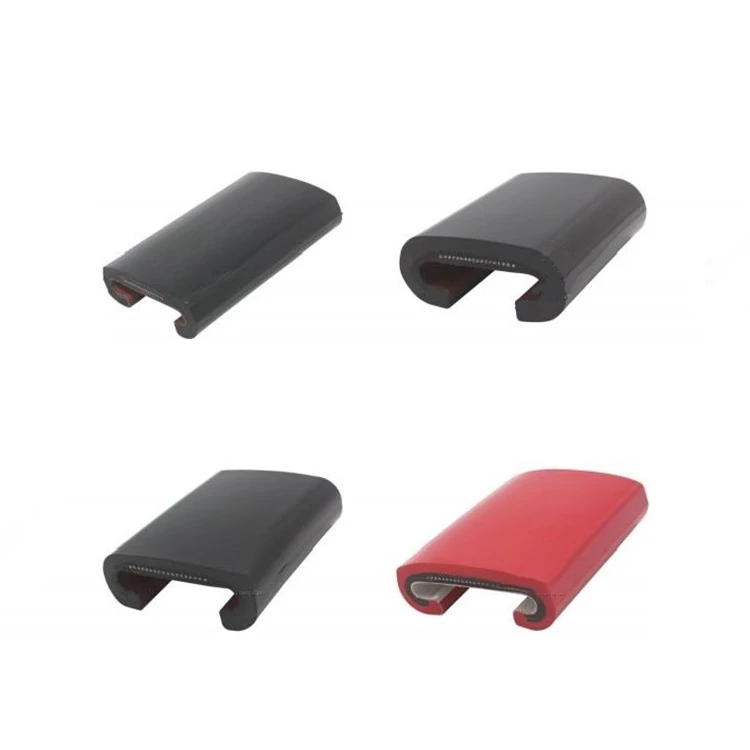
Escalator handrails are typically made from a combination of materials, including rubber, PVC, and fabric reinforcements. Each of these materials has its own unique set of properties that can be influenced by temperature.
Rubber
Rubber is a common material used in escalator handrails due to its flexibility, durability, and grip. However, rubber is also sensitive to temperature changes. At low temperatures, rubber becomes stiffer and less flexible, which can make it more prone to cracking and splitting. This is because the molecular structure of rubber becomes more rigid as the temperature drops, reducing its ability to stretch and bend without damage.
On the other hand, high temperatures can cause rubber to soften and become more pliable. While this may seem like an advantage, excessive heat can actually lead to a loss of strength and durability in the rubber. Over time, high temperatures can cause the rubber to break down, resulting in a decrease in its mechanical properties and an increased risk of failure.
PVC
PVC (polyvinyl chloride) is another material commonly used in escalator handrails. PVC is known for its resistance to chemicals, abrasion, and weathering, making it a popular choice for outdoor and high-traffic applications. However, like rubber, PVC is also affected by temperature.
At low temperatures, PVC becomes brittle and more prone to cracking. This is because the molecular chains in PVC become more rigid as the temperature drops, reducing its ability to absorb impact and stress. In extreme cold, PVC can even shatter, posing a safety hazard to passengers.
High temperatures can also have a negative impact on PVC. When exposed to excessive heat, PVC can soften and deform, losing its shape and structural integrity. This can lead to problems such as sagging, wrinkling, and uneven wear on the handrail surface.
Fabric Reinforcements
Fabric reinforcements are often used in escalator handrails to provide additional strength and stability. These reinforcements can be made from materials such as polyester, nylon, or aramid fibers. While fabric reinforcements are generally less sensitive to temperature than rubber and PVC, they can still be affected by extreme heat or cold.
At high temperatures, fabric reinforcements can lose their strength and stiffness, reducing their ability to support the handrail. This can lead to problems such as stretching, tearing, and delamination of the handrail layers. In addition, high temperatures can also cause the fabric to shrink, which can affect the fit and performance of the handrail.
At low temperatures, fabric reinforcements can become brittle and more prone to cracking. This is because the fibers in the fabric become more rigid as the temperature drops, reducing their ability to bend and flex without damage. In extreme cold, fabric reinforcements can even break, compromising the integrity of the handrail.
Performance and Temperature
In addition to affecting the material properties of escalator handrails, temperature can also have a significant impact on their performance. Here are some of the ways temperature can affect handrail performance:
Grip and Traction
One of the most important functions of an escalator handrail is to provide a secure grip for passengers. Temperature can affect the grip and traction of the handrail surface, which can impact passenger safety.
At low temperatures, the surface of the handrail can become slippery, reducing the friction between the handrail and the passenger's hand. This can make it more difficult for passengers to hold onto the handrail, increasing the risk of falls and injuries.
High temperatures can also affect the grip and traction of the handrail. When the handrail surface becomes too hot, it can cause the passenger's hand to sweat, which can reduce the friction between the hand and the handrail. In addition, high temperatures can also cause the handrail surface to become sticky or tacky, which can make it uncomfortable for passengers to hold onto.
Noise and Vibration
Temperature can also affect the noise and vibration levels of an escalator handrail. At low temperatures, the handrail can become stiffer and less flexible, which can cause it to produce more noise and vibration as it moves along the escalator. This can be a nuisance to passengers and can also indicate potential problems with the handrail or the escalator system.
High temperatures can also have a similar effect on noise and vibration levels. When the handrail becomes too hot, it can expand and contract, causing it to rub against the handrail guides and other components of the escalator. This can result in increased noise and vibration, which can be annoying to passengers and can also lead to premature wear and tear on the handrail and other escalator parts.
Wear and Tear
Temperature can also affect the wear and tear of an escalator handrail. At low temperatures, the handrail can become more brittle and prone to cracking, which can lead to premature wear and tear. In addition, low temperatures can also cause the handrail to contract, which can increase the stress on the handrail joints and connections, leading to loosening and damage.
High temperatures can also accelerate the wear and tear of an escalator handrail. When the handrail becomes too hot, it can soften and deform, causing it to wear more quickly against the handrail guides and other components of the escalator. In addition, high temperatures can also cause the handrail to dry out and become more brittle, increasing the risk of cracking and splitting.
Maintenance and Temperature
Proper maintenance is essential for ensuring the safe and reliable operation of escalator handrails. Temperature can have a significant impact on the maintenance requirements of escalator handrails, and it's important to take this into account when developing a maintenance plan.
Inspections
Regular inspections are an important part of escalator handrail maintenance. During these inspections, it's important to check for signs of damage or wear that may be caused by temperature. For example, at low temperatures, it's important to look for cracks, splits, or other signs of brittleness in the handrail material. At high temperatures, it's important to check for signs of softening, deformation, or discoloration of the handrail surface.
In addition to visual inspections, it's also important to perform regular functional tests on the handrail to ensure that it's operating properly. This can include tests for grip, traction, speed, and alignment.
Cleaning and Lubrication
Cleaning and lubrication are also important aspects of escalator handrail maintenance. At low temperatures, it's important to use a cleaning solution that is specifically designed for use in cold weather. This can help to prevent the handrail from becoming too dry and brittle.
At high temperatures, it's important to clean the handrail more frequently to remove dirt, debris, and sweat that can accumulate on the surface. In addition, it's important to use a lubricant that is designed for use in high-temperature environments to reduce friction and wear on the handrail.
Replacement
In some cases, temperature-related damage to an escalator handrail may be severe enough to require replacement. When replacing a handrail, it's important to choose a product that is designed to withstand the temperature conditions in the installation environment. This can help to ensure that the new handrail will provide reliable performance and safety for passengers.
Conclusion
Temperature can have a significant impact on the performance, safety, and maintenance of escalator handrails. As a supplier of escalator handrails, it's important to understand these effects and to provide customers with products that are designed to withstand the temperature conditions in their installation environments.
If you're in the market for escalator handrails, I encourage you to visit our website Escalator Hand Rail to learn more about our products and services. We offer a wide range of handrails that are designed to meet the needs of different applications and environments. Our team of experts can also provide you with guidance and support to help you choose the right handrail for your project.
Contact us today to discuss your escalator handrail needs and to learn more about how we can help you ensure the safe and reliable operation of your escalators.
References
- "Escalator Handrail Materials and Their Properties" - Journal of Elevator Technology
- "The Effects of Temperature on Escalator Handrail Performance" - International Journal of Safety Science
- "Maintenance Guidelines for Escalator Handrails in Different Temperature Environments" - Elevator World Magazine