

Hey there! As a supplier of Escalator Hand Rail, I often get asked about the standard width of an escalator handrail. It's a question that might seem simple at first glance, but there's actually quite a bit to unpack.
Let's start with the basics. The width of an escalator handrail isn't just randomly decided. It's determined by a bunch of factors, including safety regulations, user comfort, and the design of the escalator itself. In most countries, there are strict safety standards that manufacturers have to follow when it comes to the dimensions of escalator components, and the handrail is no exception.
Typically, the standard width of an escalator handrail ranges from about 70mm to 110mm. But why this range? Well, it boils down to the different types of escalators and their intended use. For example, in high - traffic areas like shopping malls or airports, wider handrails are often preferred. A wider handrail, say around 100 - 110mm, provides more surface area for people to hold onto. This is especially important in crowded places where people might be jostled around. It gives them a better grip and makes them feel more secure as they ride the escalator.
On the other hand, in areas with lower traffic, like small office buildings or residential complexes, a narrower handrail in the range of 70 - 80mm might be sufficient. These narrower handrails still meet safety requirements but take up less space, which can be a consideration in smaller installations.
Another factor that influences the width is the design of the escalator. Some escalators are designed with a more compact layout, and a narrower handrail might be a better fit to maintain the overall aesthetic and functionality. Others, especially those in large public spaces, are built with a more generous design, allowing for wider handrails.
Now, let's talk about safety. Safety standards play a huge role in determining the width of the handrail. These standards are in place to protect passengers from accidents. For instance, a handrail that's too narrow might not provide enough support, increasing the risk of people losing their balance and falling. On the flip side, a handrail that's too wide could potentially create a tripping hazard or get in the way of other escalator components.
Manufacturers have to conduct a lot of testing to ensure that the handrails they produce meet these safety standards. They test things like the strength of the handrail, its ability to withstand wear and tear, and how well it fits with the rest of the escalator system. This is why it's so important to buy from a reliable supplier who knows what they're doing.
As a supplier, I've seen firsthand the importance of getting the width right. We work closely with our clients to understand their specific needs. If they're installing an escalator in a busy subway station, we'll recommend a wider handrail. But if it's for a small boutique, a narrower option might be more appropriate.
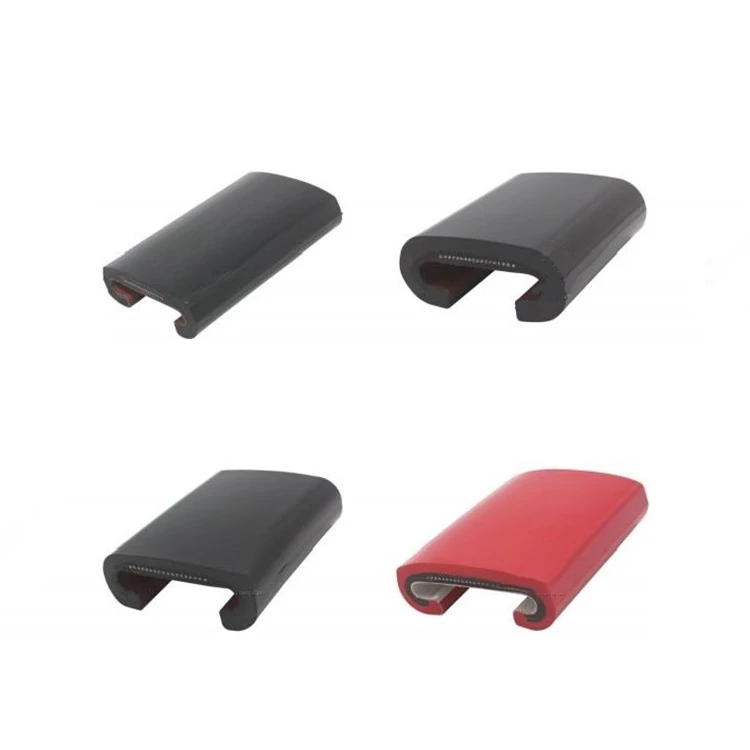
We also offer a variety of handrail materials and finishes. The width of the handrail can affect the choice of material. For example, wider handrails might require a more durable material to support the extra stress. We have options like PVC, rubber, and synthetic materials, each with its own advantages and disadvantages.
PVC handrails are popular because they're relatively inexpensive and easy to clean. They come in a range of colors, so you can choose one that matches the decor of your building. Rubber handrails, on the other hand, are known for their excellent grip and durability. They're a great choice for high - traffic areas where the handrail will be used a lot.
When it comes to installation, the width of the handrail matters as well. Installers need to make sure that the handrail fits properly on the escalator. If the width is off even by a little bit, it can cause problems during installation and lead to issues down the road. That's why we provide detailed installation instructions and support to our clients.
We also understand that maintenance is a big concern for our customers. The width of the handrail can impact how easy it is to maintain. Wider handrails might be a bit more difficult to clean in some cases, but they also tend to be more durable and require less frequent replacement.
In addition to the standard widths, we can also offer custom - made handrails. If a client has a unique design or specific requirements, we can work with them to create a handrail that meets their exact needs. This is one of the advantages of working with a flexible supplier like us.
So, if you're in the market for an escalator handrail, it's important to consider the width carefully. Think about the location of the escalator, the expected traffic, and the overall design of the building. And of course, make sure you choose a supplier who has the experience and expertise to help you make the right decision.
If you have any questions or would like to discuss your escalator handrail needs further, don't hesitate to reach out. We're here to help you find the perfect handrail for your project. Whether you need a standard - width handrail or a custom - made one, we've got you covered. Let's start a conversation and see how we can work together to get your escalator up and running safely and stylishly.
References
- Various safety regulations and standards related to escalator components
- Industry research on user preferences and requirements for escalator handrails