

Hey there! If you're in the elevator business or just looking to upgrade the ventilation in your elevator, you're probably wondering, "What size elevator blower fan do I need?" Well, you've come to the right place. I'm a supplier of Elevator Blower Fan, and I'm here to break it down for you.
Understanding the Basics of Elevator Ventilation
First things first, let's talk about why elevator ventilation is so important. Elevators are enclosed spaces, and without proper ventilation, they can quickly become stuffy, hot, and uncomfortable for passengers. Good ventilation helps to remove stale air, control temperature and humidity, and prevent the buildup of harmful pollutants.
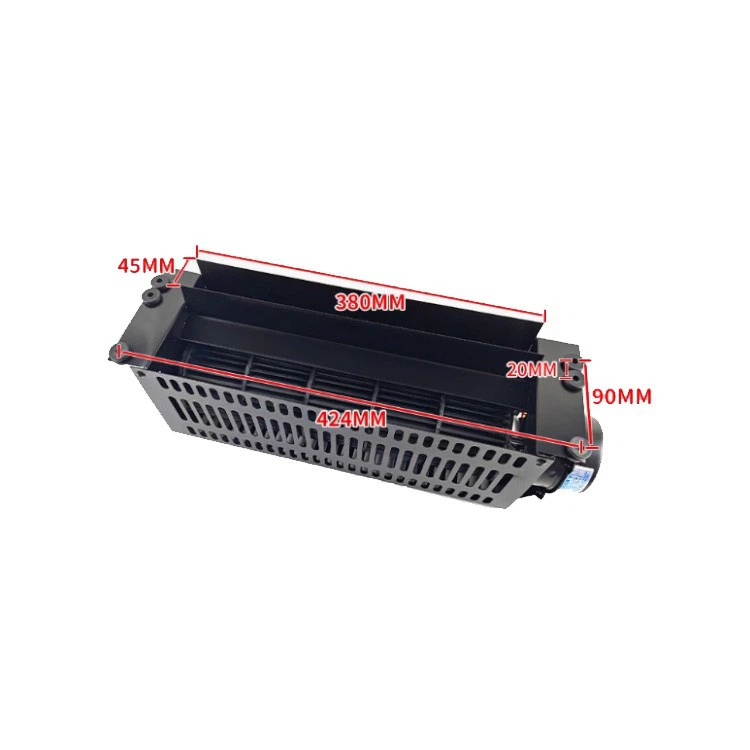
There are two main types of fans used in elevator ventilation: exhaust fans and blower fans. Elevator Exhaust Fan are designed to remove air from the elevator car, while Elevator Blower Fan are used to bring fresh air in. In many cases, a combination of both types of fans is used to ensure proper air circulation.
Factors to Consider When Choosing an Elevator Blower Fan Size
Now, let's get into the nitty-gritty of choosing the right size elevator blower fan. There are several factors you need to consider, including:
1. Elevator Car Size
The size of the elevator car is one of the most important factors in determining the size of the blower fan you need. A larger elevator car will require a more powerful fan to ensure proper air circulation. As a general rule of thumb, you'll need about 1 CFM (cubic feet per minute) of airflow for every square foot of floor space in the elevator car.
For example, if you have a small elevator car with a floor area of 50 square feet, you'll need a fan that can provide at least 50 CFM of airflow. For a larger elevator car with a floor area of 100 square feet, you'll need a fan that can provide at least 100 CFM of airflow.
2. Number of Passengers
The number of passengers the elevator is designed to carry also plays a role in determining the size of the blower fan. More passengers means more body heat and moisture, which can make the elevator car feel stuffy and uncomfortable. As a result, you'll need a more powerful fan to ensure proper ventilation.
As a general rule of thumb, you'll need an additional 10 CFM of airflow for every passenger the elevator is designed to carry. For example, if your elevator is designed to carry 10 passengers, you'll need to add an additional 100 CFM of airflow to the total CFM required based on the elevator car size.
3. Elevator Speed
The speed of the elevator can also affect the size of the blower fan you need. Faster elevators generate more air turbulence, which can make it more difficult to maintain proper air circulation. As a result, you'll need a more powerful fan to ensure that fresh air is being brought into the elevator car and stale air is being removed.
As a general rule of thumb, you'll need to increase the CFM of the blower fan by 10% for every 100 feet per minute of elevator speed. For example, if your elevator has a speed of 500 feet per minute, you'll need to increase the CFM of the blower fan by 50% compared to a slower elevator.
4. Elevator Location
The location of the elevator can also affect the size of the blower fan you need. Elevators located in hot, humid climates will require more powerful fans to ensure proper ventilation. Similarly, elevators located in areas with high levels of pollution or other contaminants will also require more powerful fans to remove these pollutants from the air.
Calculating the Required CFM
Now that you understand the factors to consider when choosing an elevator blower fan size, let's talk about how to calculate the required CFM. Here's a simple formula you can use:
Required CFM = (Elevator Car Floor Area x 1 CFM per Square Foot) + (Number of Passengers x 10 CFM per Passenger) + (Elevator Speed Adjustment) + (Location Adjustment)
Let's use an example to illustrate how this formula works. Suppose you have an elevator car with a floor area of 80 square feet, designed to carry 8 passengers, with a speed of 300 feet per minute, and located in a hot, humid climate. Here's how you would calculate the required CFM:
- Elevator Car Floor Area: 80 square feet x 1 CFM per Square Foot = 80 CFM
- Number of Passengers: 8 passengers x 10 CFM per Passenger = 80 CFM
- Elevator Speed Adjustment: 300 feet per minute / 100 feet per minute = 3 x 10% = 30% increase in CFM. 80 CFM + 80 CFM = 160 CFM. 160 CFM x 30% = 48 CFM. Total CFM after speed adjustment = 160 CFM + 48 CFM = 208 CFM
- Location Adjustment: Let's assume a 20% increase in CFM due to the hot, humid climate. 208 CFM x 20% = 41.6 CFM. Total CFM after location adjustment = 208 CFM + 41.6 CFM = 249.6 CFM
So, in this example, you would need a blower fan that can provide at least 250 CFM of airflow.
Choosing the Right Blower Fan
Once you've calculated the required CFM, it's time to choose the right blower fan. When choosing a blower fan, there are several factors you need to consider, including:
1. Fan Efficiency
Fan efficiency is an important factor to consider when choosing a blower fan. A more efficient fan will use less energy, which can save you money on your energy bills in the long run. Look for fans with a high efficiency rating, such as those that are Energy Star certified.

2. Noise Level
Noise level is another important factor to consider, especially if the elevator is located in a residential or commercial building. Look for fans that are designed to operate quietly, with a noise level of less than 60 decibels.
3. Durability
Elevator blower fans need to be durable and reliable, as they will be operating continuously. Look for fans that are made from high-quality materials and are designed to withstand the rigors of elevator use.
4. Maintenance Requirements
Finally, consider the maintenance requirements of the blower fan. Look for fans that are easy to clean and maintain, with accessible filters and other components.
Conclusion
Choosing the right size elevator blower fan is an important part of ensuring proper ventilation in your elevator. By considering factors such as elevator car size, number of passengers, elevator speed, and elevator location, you can calculate the required CFM and choose the right blower fan for your needs.
If you're still not sure what size elevator blower fan you need, or if you have any other questions about elevator ventilation, don't hesitate to contact us. We're a leading supplier of Elevator Blower Fan, and we're here to help you find the right solution for your elevator ventilation needs. Whether you're a building owner, elevator installer, or maintenance technician, we can provide you with the expert advice and high-quality products you need to ensure proper ventilation in your elevator.
References
- ASHRAE Handbook of Fundamentals
- Elevator Ventilation Standards and Guidelines