

As an elevator guide shoe supplier, I've witnessed firsthand the critical role guide shoes play in the safe and efficient operation of elevators. Among the various types available, roller guide shoes and sliding guide shoes stand out as two primary options, each with its own set of characteristics, advantages, and limitations. In this blog post, I'll delve into the differences between these two types of guide shoes to help you make an informed decision when selecting the right solution for your elevator system.
1. Basic Structure and Working Principle
Sliding Guide Shoes
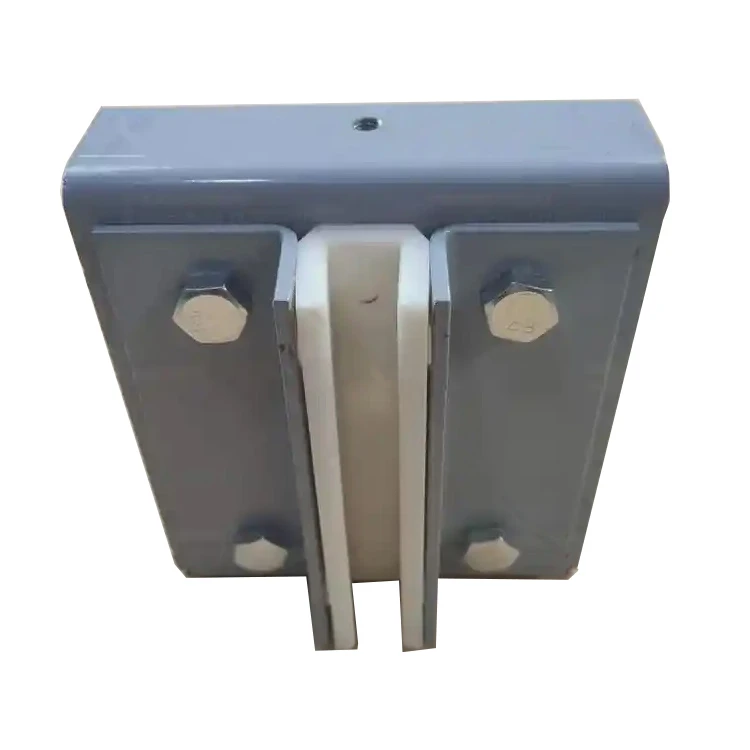
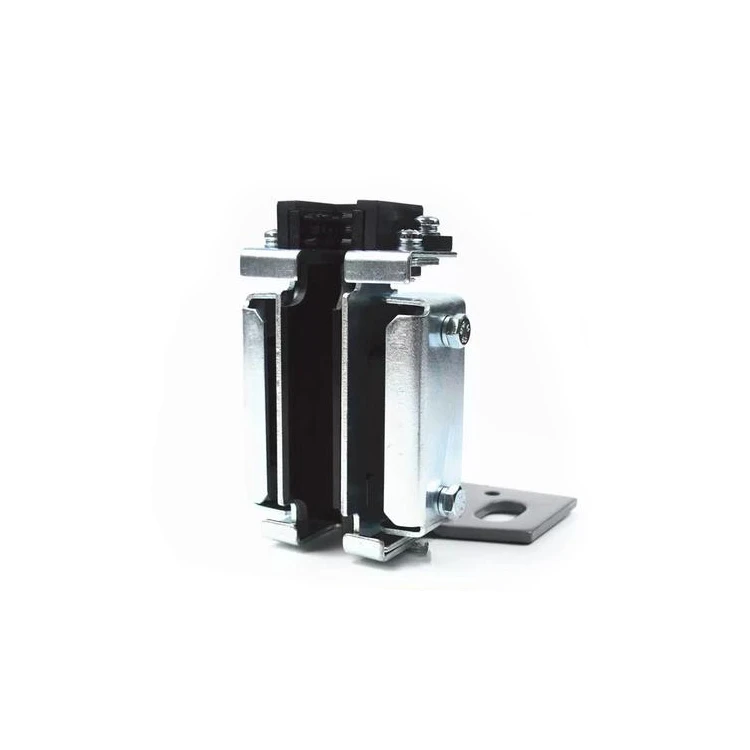
Sliding guide shoes are the more traditional type of elevator guide shoes. They typically consist of a shoe block made of a wear - resistant material, such as cast iron or composite materials, and a lubrication system. The shoe block is in direct contact with the elevator guide rail, and as the elevator car moves up and down, the shoe block slides along the rail. The lubrication system, which can be either self - lubricating or require external lubrication, is crucial to reduce friction between the shoe block and the rail.
The working principle of sliding guide shoes is based on the frictional force between the shoe block and the guide rail. This frictional force helps to keep the elevator car stable and centered on the rail, preventing lateral movement and ensuring smooth vertical movement. [Learn more about Sliding Guide Shoes: Guide Shoe for Elevator]
Roller Guide Shoes
Roller guide shoes, on the other hand, use rollers instead of a solid shoe block to interact with the guide rail. They usually consist of a frame, rollers, and a suspension system. The rollers are mounted on the frame and can rotate freely. When the elevator car moves, the rollers roll along the guide rail, reducing the frictional force compared to sliding guide shoes.
The working principle of roller guide shoes relies on the rolling friction between the rollers and the guide rail. Rolling friction is generally much lower than sliding friction, which allows for smoother and more efficient movement of the elevator car. [Explore our Roller Guide Shoes: Car Guide Shoe]
2. Performance Characteristics
Friction and Energy Consumption
One of the most significant differences between roller guide shoes and sliding guide shoes is the level of friction they generate. Sliding guide shoes have a relatively high coefficient of friction due to the direct contact between the shoe block and the guide rail. This high friction requires more energy to move the elevator car, resulting in higher energy consumption over time.
In contrast, roller guide shoes have a much lower coefficient of friction because of the rolling motion of the rollers. The reduced friction means that less energy is needed to move the elevator car, leading to lower energy consumption and potentially significant cost savings in the long run.
Ride Comfort
Ride comfort is another crucial factor in elevator design. Sliding guide shoes can sometimes produce vibrations and noise, especially when the elevator is moving at high speeds or when the guide rail is not perfectly smooth. These vibrations and noise can be felt by passengers and may affect their comfort during the ride.
Roller guide shoes, however, generally provide a smoother and quieter ride. The rolling motion of the rollers helps to absorb minor irregularities in the guide rail, reducing vibrations and noise. This makes roller guide shoes a popular choice for high - speed elevators and applications where ride comfort is a top priority.
Load - Bearing Capacity
Sliding guide shoes are known for their high load - bearing capacity. The large contact area between the shoe block and the guide rail allows them to distribute the weight of the elevator car evenly, making them suitable for heavy - duty applications. They can handle high loads without excessive wear or deformation, ensuring the safe operation of the elevator.
Roller guide shoes also have a good load - bearing capacity, but they may be more sensitive to uneven loads. If the load on the elevator car is not evenly distributed, it can cause uneven wear on the rollers and potentially affect the performance of the guide shoes. However, modern roller guide shoe designs have improved significantly in this regard, and they can now handle a wide range of loads effectively.
3. Maintenance Requirements
Sliding Guide Shoes
Sliding guide shoes require regular maintenance to ensure optimal performance. The lubrication system needs to be checked and refilled periodically to maintain the proper level of lubrication and reduce friction. The shoe block also needs to be inspected for wear and replaced when necessary. Over time, the shoe block can wear down, which can affect the stability and safety of the elevator.
In addition, sliding guide shoes are more prone to contamination by dust, dirt, and debris. These contaminants can accumulate on the shoe block and the guide rail, increasing friction and potentially causing damage to the components. Regular cleaning and inspection are essential to prevent these issues.
Roller Guide Shoes
Roller guide shoes generally have lower maintenance requirements compared to sliding guide shoes. Since they rely on rolling friction, there is less wear on the components, and the lubrication requirements are also reduced. However, the rollers still need to be inspected regularly for signs of wear, damage, or misalignment.
The suspension system of roller guide shoes also needs to be checked to ensure that it is functioning properly. Any issues with the suspension system can affect the alignment of the rollers and the performance of the guide shoes. Overall, roller guide shoes can save time and money on maintenance, especially in large - scale elevator installations. [Find more details on Maintenance: Lift Guide Shoe]
4. Cost Considerations
Initial Cost
In terms of initial cost, sliding guide shoes are usually less expensive than roller guide shoes. The simple design and construction of sliding guide shoes make them more affordable to manufacture, which is reflected in their lower purchase price. This makes sliding guide shoes a cost - effective option for budget - conscious elevator projects.
Roller guide shoes, on the other hand, have a higher initial cost due to their more complex design and the use of precision - engineered components such as rollers and suspension systems. However, it's important to consider the long - term cost savings associated with roller guide shoes, such as lower energy consumption and reduced maintenance requirements.
Long - Term Cost
When considering the long - term cost, roller guide shoes may be more economical. The lower energy consumption of roller guide shoes can result in significant savings on electricity bills over the life of the elevator. Additionally, the reduced maintenance requirements mean less downtime for maintenance and fewer replacement parts, which can also lead to cost savings.
Sliding guide shoes, while initially cheaper, may incur higher long - term costs due to their higher energy consumption and more frequent maintenance needs.
5. Application Scenarios
Sliding Guide Shoes
Sliding guide shoes are commonly used in low - to medium - speed elevators, especially in applications where cost is a major concern. They are also suitable for elevators in industrial settings, where the load is heavy and the operating environment may be harsh. Sliding guide shoes can withstand high loads and are relatively resistant to contamination, making them a reliable choice for these types of applications.
Roller Guide Shoes
Roller guide shoes are often preferred for high - speed elevators, luxury buildings, and applications where ride comfort is essential. Their ability to provide a smooth and quiet ride, combined with their lower energy consumption, makes them an ideal choice for modern elevator systems. Roller guide shoes are also well - suited for high - rise buildings, where the elevator needs to operate efficiently over long distances.
Conclusion
In conclusion, both roller guide shoes and sliding guide shoes have their own unique advantages and disadvantages. The choice between the two depends on various factors, such as the speed of the elevator, the load - bearing requirements, the desired level of ride comfort, the budget, and the maintenance capabilities.
As an elevator guide shoe supplier, we understand the importance of providing the right solution for each customer's specific needs. Whether you need a cost - effective sliding guide shoe for a low - speed elevator or a high - performance roller guide shoe for a high - speed application, we have a wide range of products to choose from.
If you're interested in learning more about our elevator guide shoes or discussing your specific requirements, please feel free to contact us. We're here to help you make the best decision for your elevator system and ensure its safe and efficient operation.
References
- "Elevator Technology Handbook" by John J. Bacharach
- "Modern Elevator Technology" by Harry N. Hirsch